


In the early days of social media, I had little knowledge or organization, and a boatload of audacity.
I was the first social media community manager hired at Walgreens, a pharmacy/drugstore hybrid here in the States. And at 25 years old, I was creating content that reached as many people as those who walked into our stores daily.
It was truly the Wild West of digital marketing, and I was granted (mostly) free reign.
During Super Bowl’s famed “black out” in 2013, I was sitting on my parents’ sofa watching the game when the chaos went down.
So I pulled out my laptop and decided to tweet these:
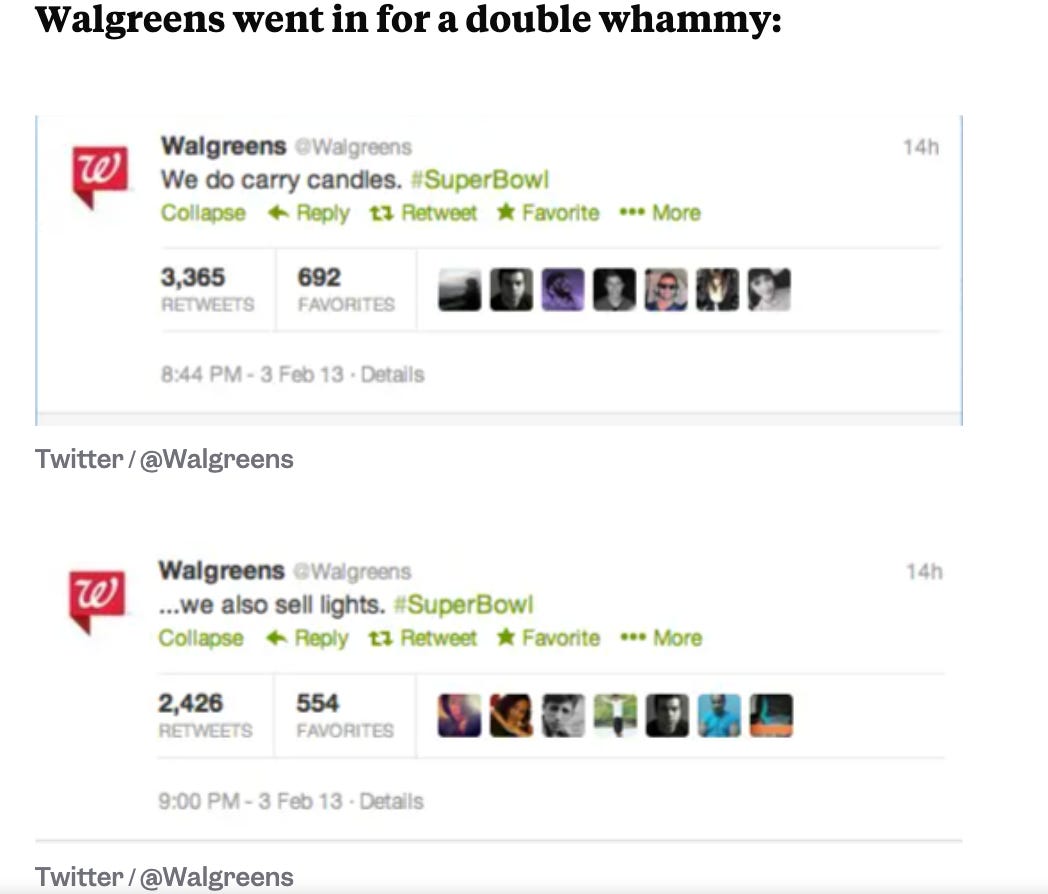
Guess who approved these? Nobody.
Guess how these tweets were written? Horribly.
The figurative “game” at the time was to get attention. We weren’t asking too many questions about whose.
But in 2026, I’d be a dumb marketer if I didn’t question all of it.
How we’ve been taught to understand influence
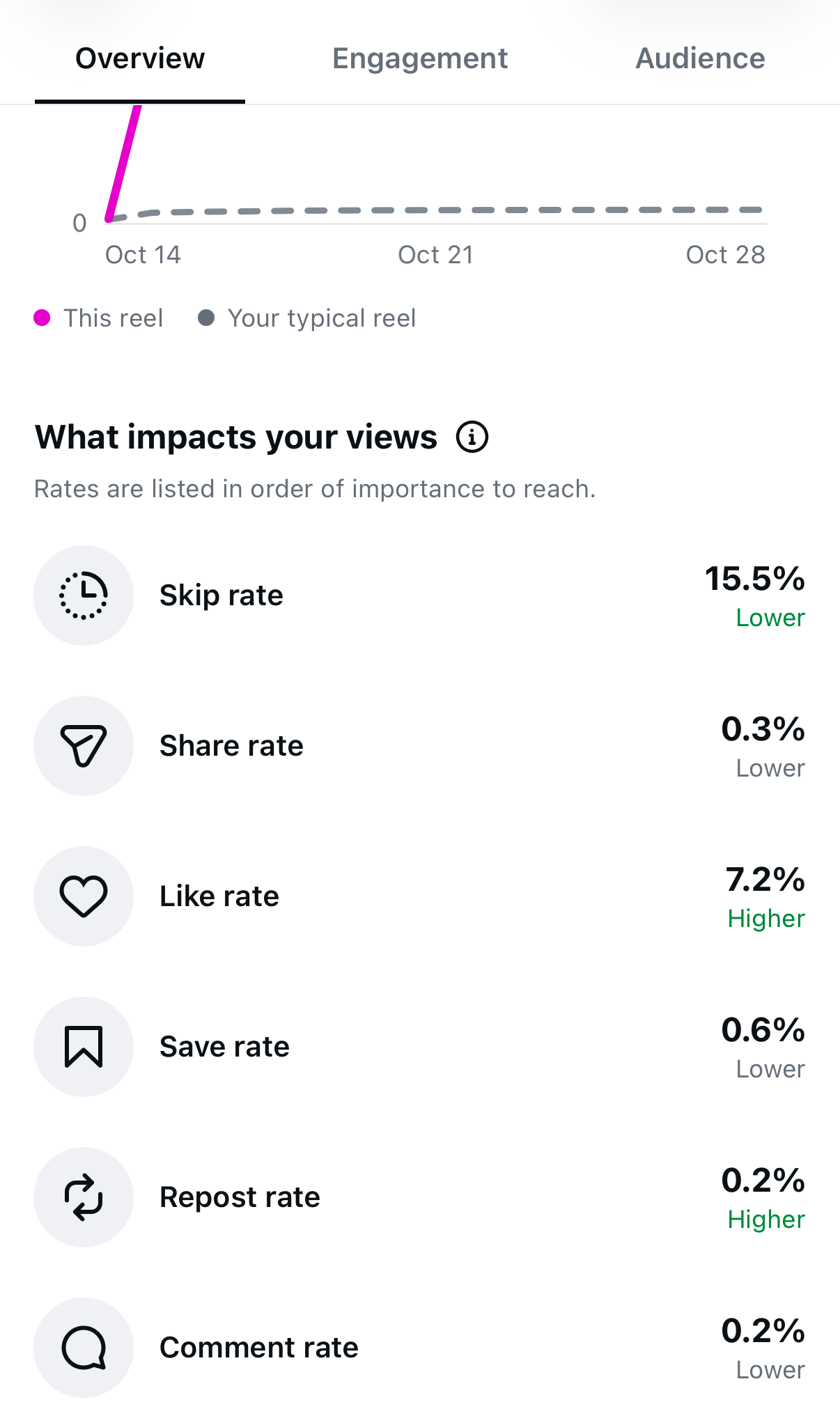
Above is a snapshot of my Instagram analytics from a recent video I did on a trending topic, Abercrombie’s sweaters.
At a basic level, I can scroll through these analytics and gain an understanding around how this video performed compared to my other pieces of content.
Many creators find this level of “transparency” within Instagram's analytics motivating, since you can learn what to do next in order to craft a “high-performing” video.
The analytics of the video above was based on a video I saw from Rachel Brownfield:
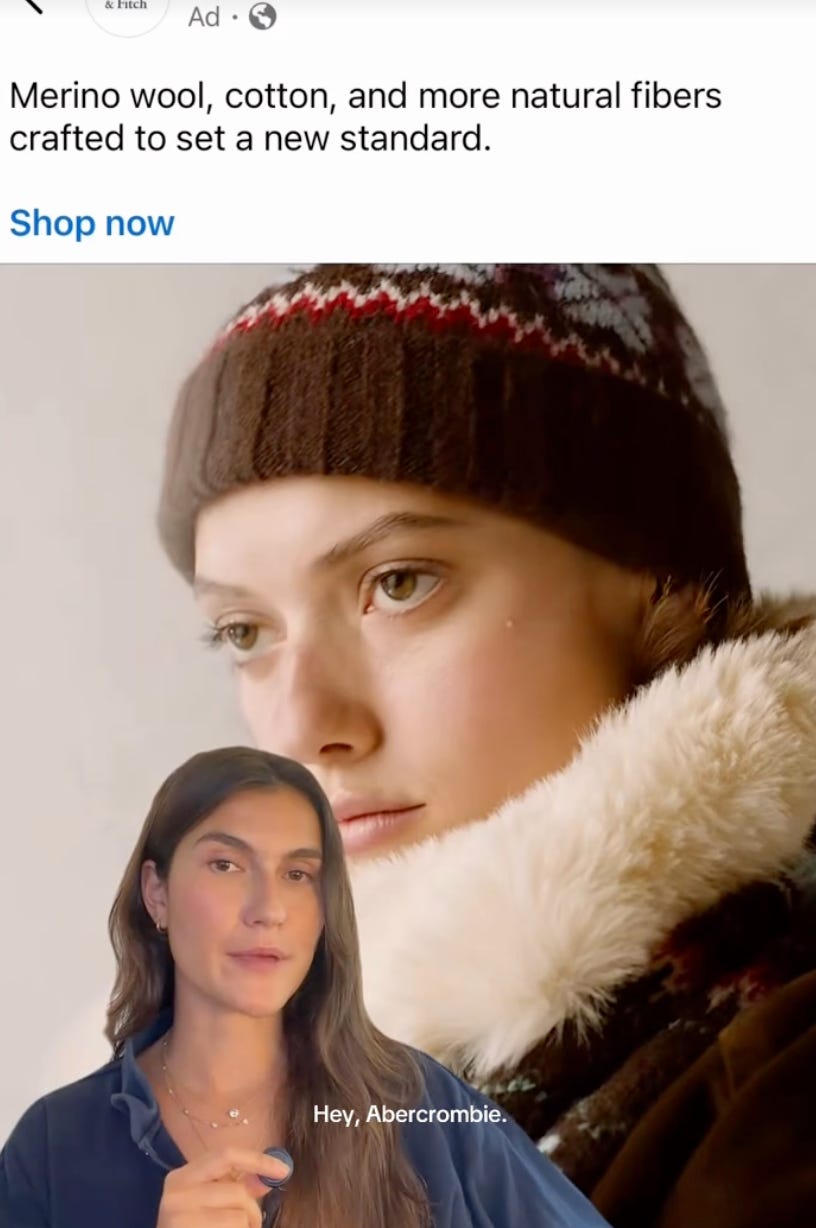
It’s where she discusses the difference between men’s and women’s sweaters at Abercrombie.
Her initial videos on this topic blew up, getting millions of views, a handful of response videos, and a decent amount of media coverage.
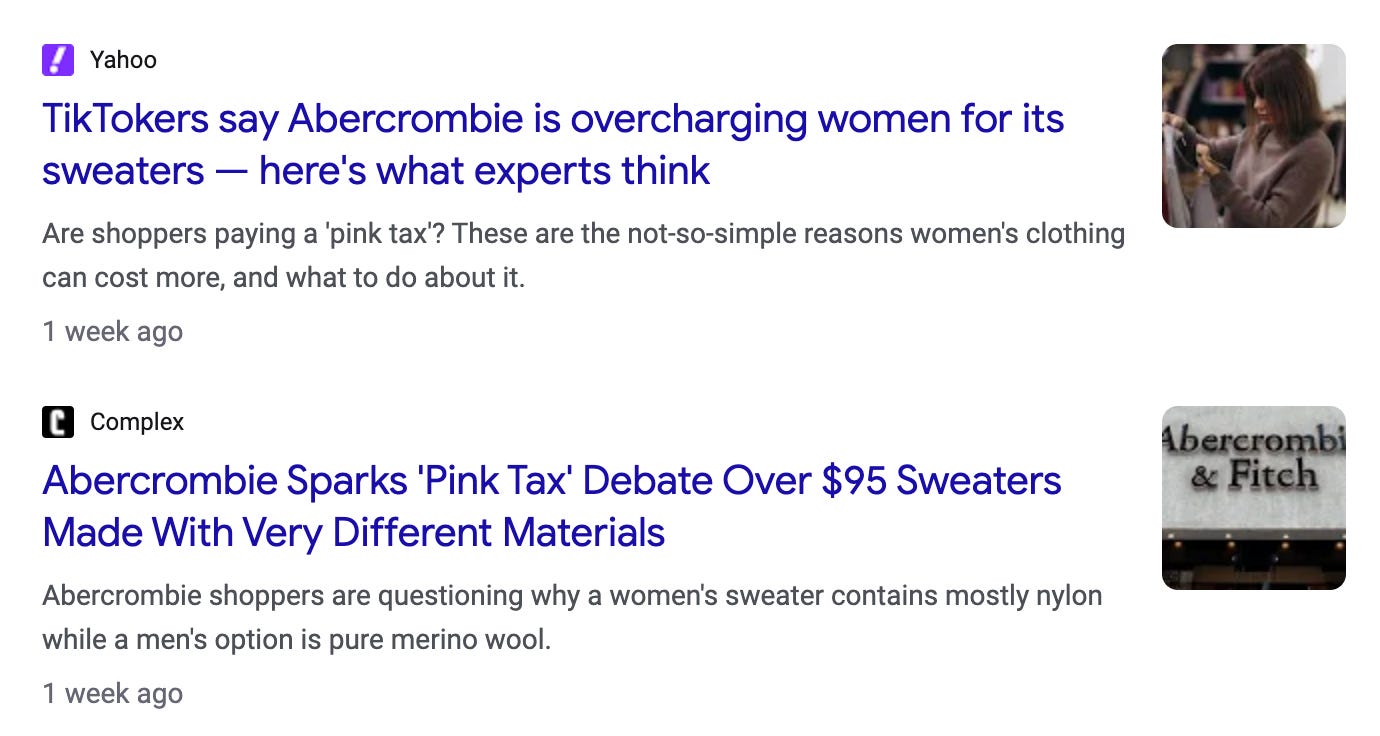
Rachel influenced me to make a video. She inspired others to make videos too.
But technically, who started the trend? Was it Rachel who made the original video questioning Abercrombie?
Was it the algorithm that enabled her video to trend in the first place?
Or was it the viewers who signaled to the algorithm that the video was worthwhile?
It could be a mix of all three, but the numbers don’t tell us how much credit to give each.
What the numbers may be hiding
We’re told that numbers give us a transparent view of performance. They encourage us to make more, more, more.
But for some reason, we’ve started taking these numbers at face value from platforms we don’t actually trust.
A video gets a million views or “goes viral” - OK. Whose views? What brought them there? And how did the engagement get started?
Because when I look at my analytics, I can see that something got attention - but figuring out WHERE that attention came from is unknown.
We need to start asking more questions before deciding what these numbers mean.
Last week I spoke with a marketer who’s exited two businesses. They’re also a successful content creator with hundreds of thousands of followers.
As we caught up, I learned that a “bot farm” agency had pitched this creator to grow their account. The agency offered to do a free test, and this marketer wanted to see it for themselves.
So the agency ran a test on their account with 200,000 warmed-up bot accounts. The video got around 70,000 views, but here’s the kicker: there were only 3,700 bot engagements.
The agency’s explanation was that there was no need to keep the bot accounts engaged any longer. Real people saw the social proof, took it from there, and got the video up to 70,000 views.
If I came across this video without knowing the background here, I would’ve seen 70,000 views and assumed people, i.e. real humans, were interested.
And they were - but the view count wouldn’t have told me how many views came from bots vs. humans.
For all I know, I could’ve used this video as an example of what “high-performing content” looks like.
There’s real evidence that proves how prevalent this kind of engagement is. A 2025 experiment published by the NATO Strategic Communications Centre of Excellence detailed how more than 30,000 inauthentic accounts delivered over 100,000 purchased interactions across seven platforms.
And even if you can’t imagine why a bot would engage with your content, understand that the engagement doesn’t actually have to be about you.
Researchers studying Facebook like farms in 2017 found that some FB accounts liked popular pages and spread out their platform activity over time to mimic regular users and avoid detection.
What looks like interest could actually be part of an account’s effort to look legitimate to the platforms.
To make matters worse, even manufactured engagement can encourage human social proof - according to Muchnik, Aral & Taylor, “Social Influence Bias: A Randomized Experiment” (2013). In this study, researchers artificially upvoted ~4,000 comments on a social media platform as soon as they were posted and downvoted about ~1900 others.
A single positive vote made the first viewer 32% more likely to upvote, and the engagement that followed raised final ratings by 25% on average.
A real person’s genuine interest can be shaped by a manufactured signal.
And I would never be able to tell how much of what I’m seeing would’ve performed without it.
Whose attention are we counting?
Last year, American Eagle ran its infamous campaign with Sydney Sweeney, and the brand was quick to celebrate it as a success.

On the September 3rd analyst call, CMO Craig Brommers took a full victory lap by proclaiming, “Sydney Sweeney sells great jeans. She is a winner.” AE reported higher brand awareness and sales, and to me, it felt like the ragebaiting had actually done its job.
In the moment, social media users could see that it captured attention. The CMO cited 40 billion impressions, combined with Travis Kelce’s campaign.
But whose attention did it actually capture?
Given the campaign’s politically charged interpretation, I posted about my dismay and got a flood of comments from private accounts.
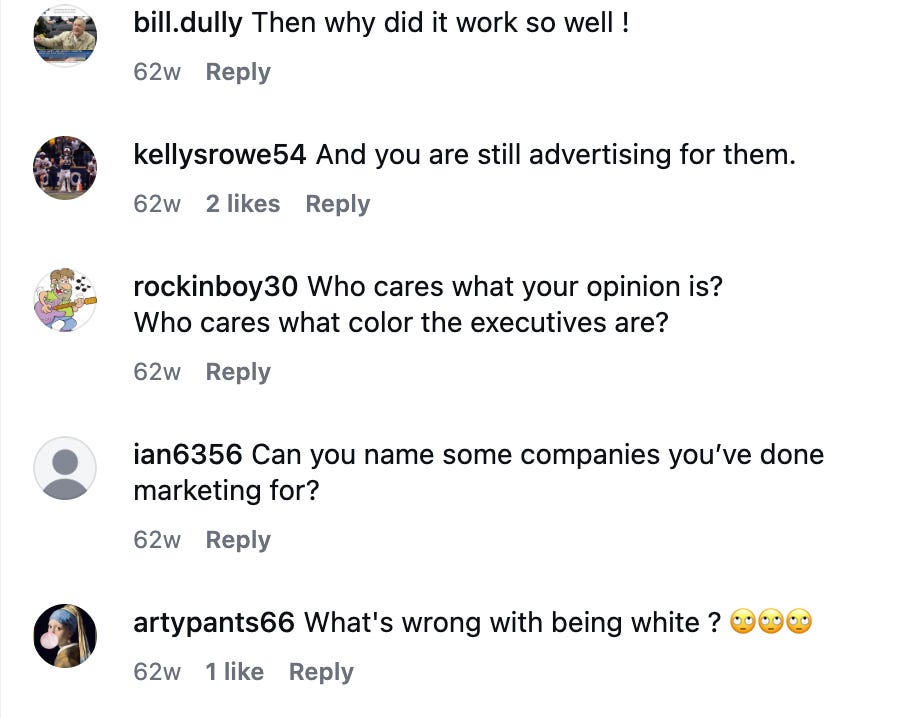
While my video got a good number of views, the comments I received on this post far outweighed those on nearly every other post I did last year.
I couldn’t tell who these people were, or whether they’d actually care enough to not just comment, but buy the jeans.
(for context: AE’s comparable sales rose 1% in Q3 2025, and then fell 2% in Q1 2026. These results still don’t isolate Sweeney’s possible contribution on sales, or whether social media engagement reflected actual interest in the jeans.)
So now we have to fill in the blanks
Most ethical marketers hate this timeline.
Meta has publicly said that it’s taking more aggressive steps against coordinated fake engagement, including reducing the visibility of fake comments and removing accounts used to inflate reach.
But in the NATO Centre’s experiment, Instagram and TikTok ended up removing only a small share of the identified inauthentic accounts. And as you can see, the platforms didn’t stop the marketing creator I talked about earlier from amassing their high video views.
Platforms DO publish some estimates and enforcement numbers. But even Meta acknowledges that its estimates of accounts violating its rules, including bots and spam, rely on internal reviews of limited samples. Meaning the actual numbers could be significantly different, and in my opinion, likely far greater.
On top of all of this, last year Meta launched Vibes, a feed for AI-generated videos that people can share to Instagram and Facebook.
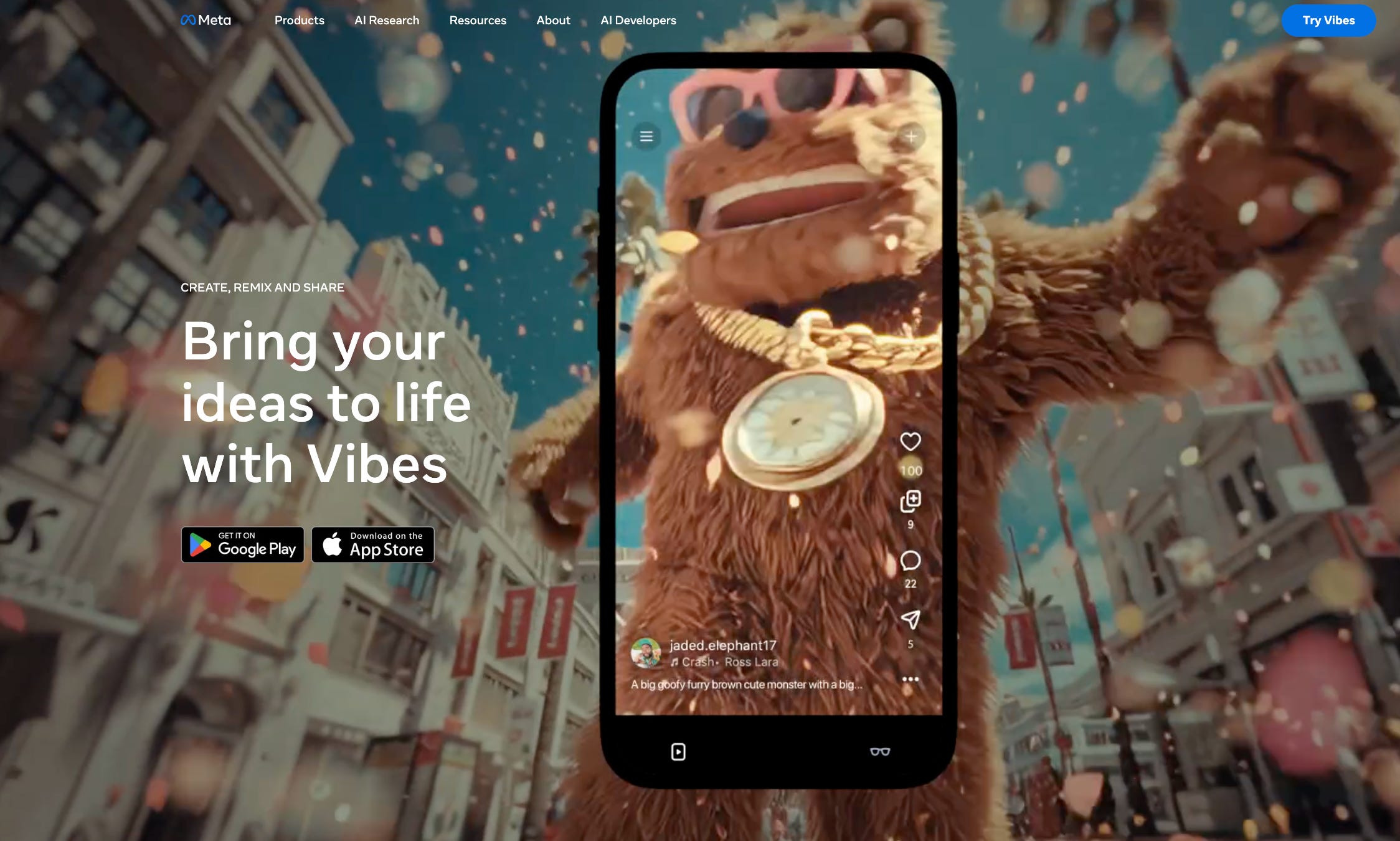
AI-generated content and fake engagement are different things.
But the platforms are expanding what people can create and automate (see: Muse) while simultaneously asking the humans who use those platforms to trust their ability to identify manipulation.
So to be clear, as marketers, we’re told to study engagement and use it to make decisions.
But what information do we have to establish where engagement comes from? Is this not a “trust me bro” moment?
Redefining what influence means
You can see where questioning engagement (and subsequently, influence) can have an undeniable ripple effect.
Because think about what it impacts. It’s a creator’s popularity. It’s the media’s coverage. It’s the stock market highs and lows. It’s the brand’s sales. It’s elections. It’s livelihoods. It’s everything.
Why are we still relying on it so much?
We’re celebrating “influence” without ever getting a clear picture of the source of the engagement that creates it.
For awhile, I, as many others, touted followers as a real indication of influence.
Then it morphed into engagement metrics like engagement rate.
Now, I’m more convinced than ever that slow marketing coupled with indepedence from these platforms is the only way forward.
For me that means spending more time talking to real people face to face, creating ongoing campaigns that earn (not just capture) attention, and staying true to my PQ and EQ.
I’m no longer going to make assumptions about why a post performs, because the data doesn’t tell the full story.
Never rely on platform metrics to tell the story of your brand for you.
It’s time to question how you define influence for yourself.