


Getting into someone’s feed one time is good.
Getting into their feed a second time? That’s a feat.
But you know you’ve made it in 2026 when you receive these four words: “My show is on.”
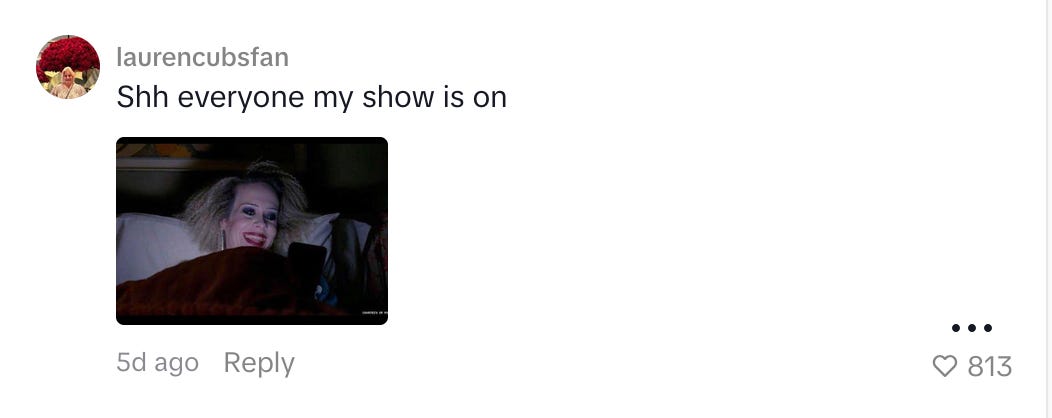
“My show is on” is the most gratifying comment a modern piece of content can receive today.
It says that what you make is worth appointment viewing. It’s earned a spot in the coveted, crowded schedule where you have that person’s undivided attention.
And as we know, “attention is the rarest and purest form of generosity.”
It’s a viewer proudly claiming that by being on their roster, you’re handpicked. Their friends might not know. Their friends might not even care! But you’re THEIR secret, and your content is a badge of honor they’re eager to display.
For a creator, this comment feels unstoppable. But for a viewer, it’s a public declaration of loyalty.
So how do you earn this level of devotion? What does it take to receive the most desirable comment on social media right now?
It’s probably not doing what you think you should.
Predictable happy endings are dead
Have you ever seen an aesthetic “what I eat in a day” girly end her vlog hunched over a toilet with food poisoning?
Or one of those restaurant influencers bite into a sponsored meal only to drop the smile, look at the camera and say, “Wow, this tastes like shit!”
I haven’t. And you won’t, because these creators are trapped in the aspirational persona their audience expects. The content format IS the story, so the outcome is predetermined.
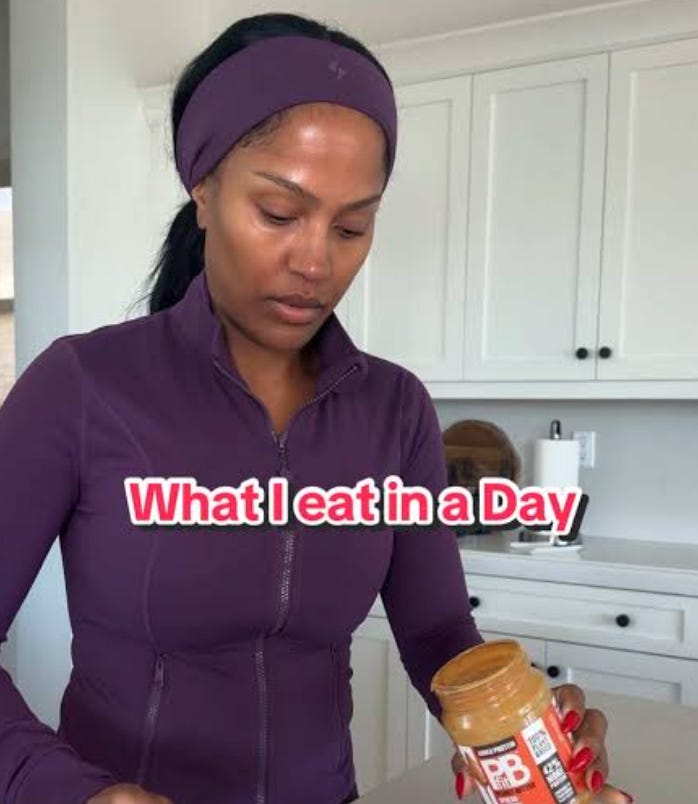
Now after endless scrolls of this content style, the viewer is kinda bored. The “what I eat in a day” format is one of many that were once so novel that they fed our brains for a quick dopamine snack. But once we got used to seeing these videos nonstop, we started to check out.
Humans love routine in daily life. But variety, surprise, and unexpectedness actually increase our well-being, according multiple studies.
This is why a mediocre piece of content recorded “unprofessionally” with a shaky hand and lackluster sound quality might still catch us off guard and subsequently hold our attention longer than something overly polished and rehearsed.
This is why “my show is on” is such a strong measure of content worthiness.
The new goal: predictable containers, unpredictable content
“Surprise and delight” (I’m such a marketer) isn’t enough. If it were, why would anyone continue to watch the same things over and over again?
Ongoing attention needs a container of structure, always, around the surprise.
Because as much as our brains crave novelty, they crave predictability, too. Predictability is how we build trust, and trust makes us feel safe as humans. It’s exactly why my friend goes back to watch Gilmore Girls 1000x over.
People want predictable containers with unpredictable content.
This is textbook variable reinforcement. A rat learns to press a lever because it knows a reward might drop at any time, so the familiarity becomes the lever. But the reward being unpredictable is what keeps the rat pressing over and over.
The “my show is on” formula
Before I get into examples of what works, know this. The videos that earn this title always share the same baseline mechanics:
They’re a series of videos, not just one video, around a certain topic or theme, which gives viewers the ability to jump from one to the next
They’re released with some time to breathe in between, maybe a day apart, which builds anticipation
The same hook kicks off each video to remind people of the series itself, creating salience
The same text overlay is used for each video (e.g. day 1, day 2, day 3, etc.)
Most importantly - each of these videos capitalizes on the unexpected, meaning the audience doesn’t know what they’re going to get to a degree, and no happy endings promised
Now onto my observations around common themes.
Theme #1: absurdity
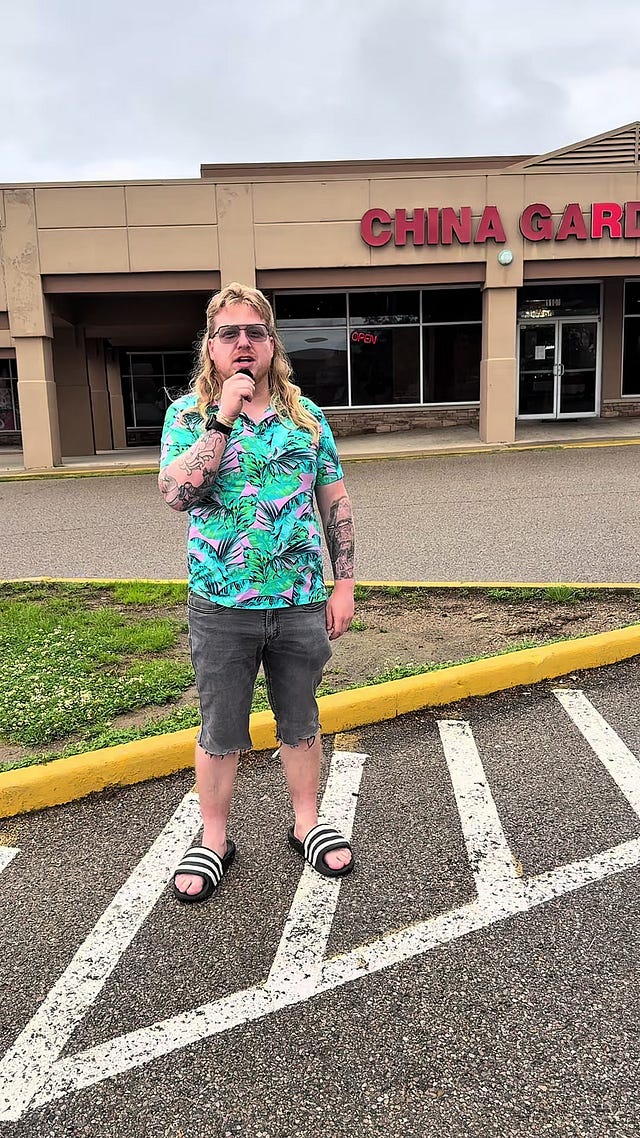
Have you seen this man?
 Tiktok failed to load.
Enable 3rd party cookies or use another browser
His username is MulletReview, and he starts his videos by saying “this is day X of eating at every Chinese buffet I can until I get food poisoning.”
The concept alone has me hooked, along with the TikTok masses who flood his comments section with things like “how did you make it past day 16?” or “This is my Love Island”
What MulletReview masters here is absurdity. No brand would ever strategically greenlight a campaign for someone to purposefully get food poisoning. Ever. And that’s exactly why it works.
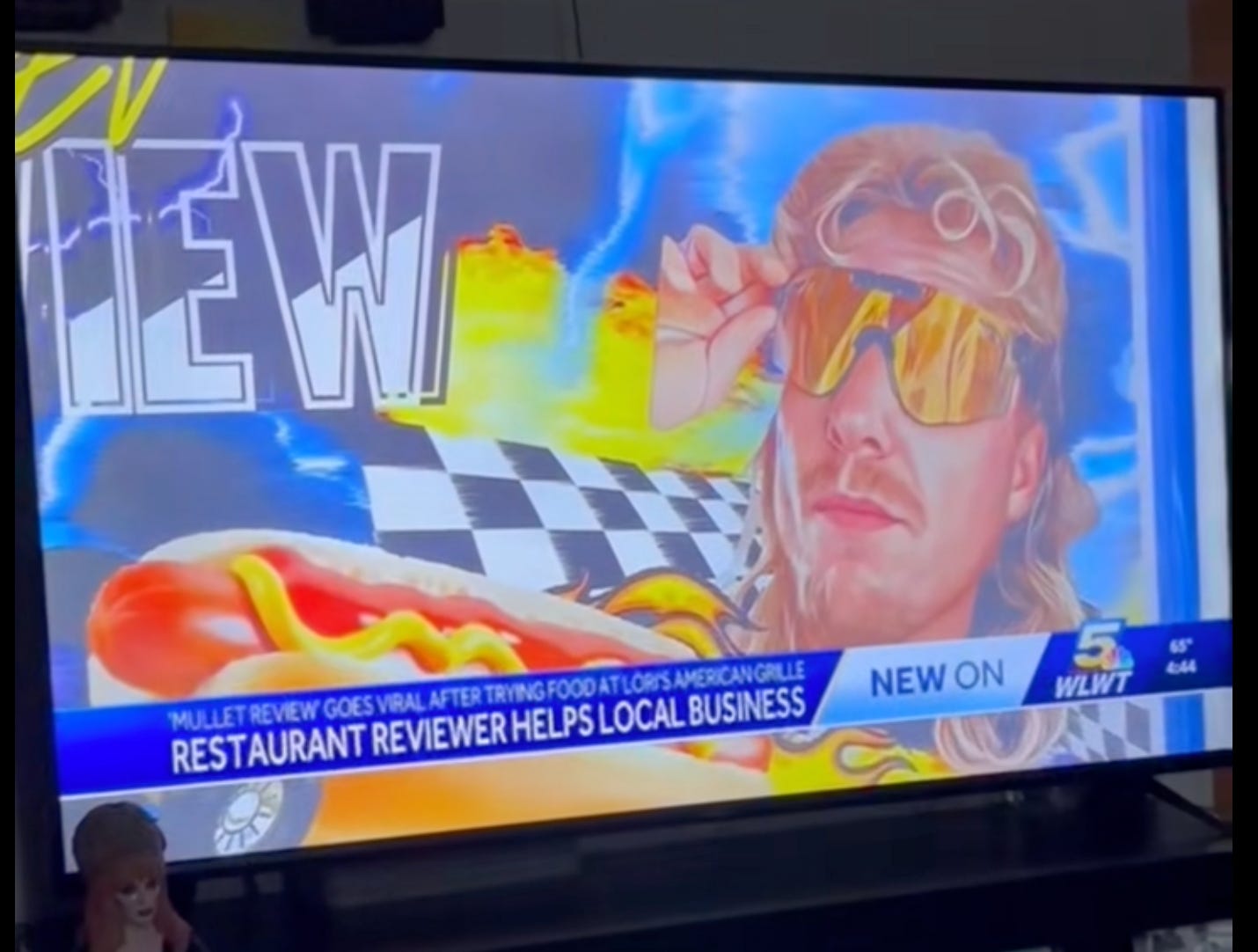
When viewers are numb to performative, robotically cheerful scripts, when they can smell a cash grab a mile away - watching a random guy risk his gut health for literally no reason is a breath of fresh air.
It makes the unexpected that much more satisfying, and the viewer faces zero consequences. What’s not to love?
Theme #2: vulnerability
If you’re not willing to perform Jackass-style stunts - fair…
You may remember the extremely popular “Who TF Did I Marry?” series from Taraesa Johnson, who detailed the terrifying backstory of her ex husband across 50 insane videos.

(arguably maybe one of the first times people talked about their show being on)
Vulnerability strips away the polish. It’s a willingness to reveal a part of yourself that is rarely, if ever, seen.
And it can also manifest as a physical challenge.
 Tiktok failed to load.
Enable 3rd party cookies or use another browser
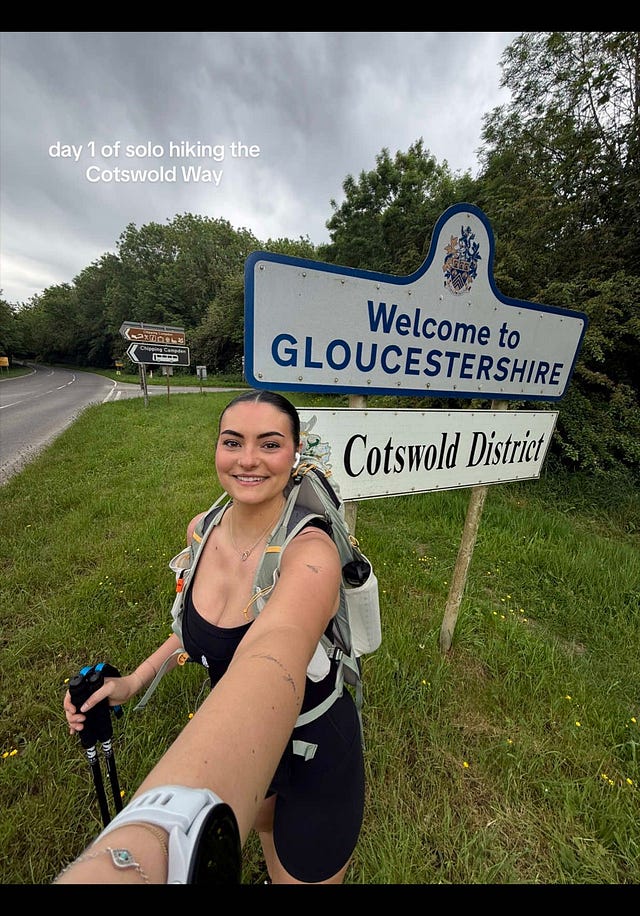
Creator Mary Skinner took to TikTok last month to hike the Cotswolds after the sudden passing of both of her grandmothers.
What could’ve been a simple content series turned into a much deeper journey where viewers watched as she navigated dicey terrain, unexpected injuries, and her own profound grief.
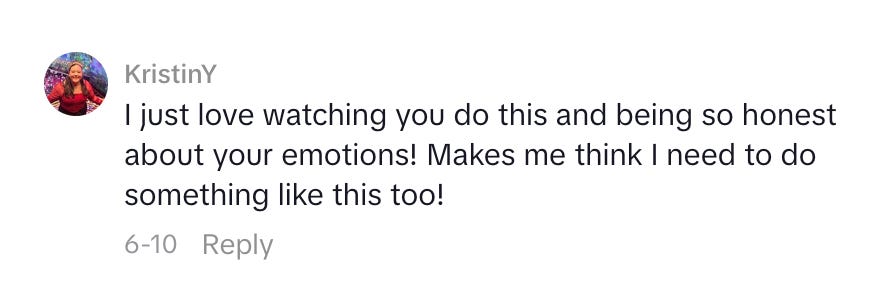
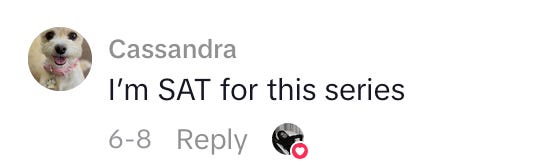
As a result, she received a plethora of comments from locals welcoming her, advice around how to handle animals, music recos, and more. It signified true, authentic community building, all because she decided to put herself out there.
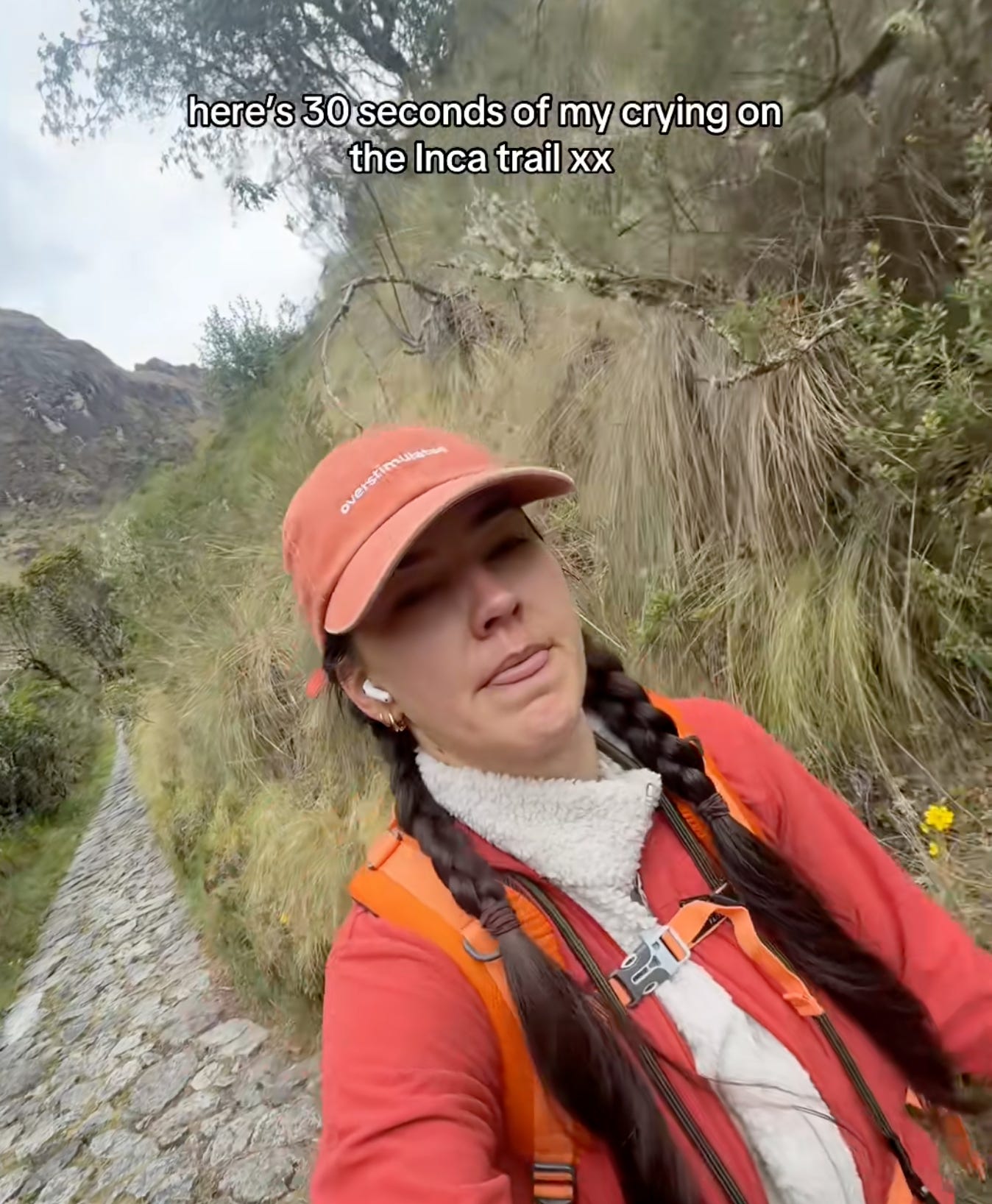
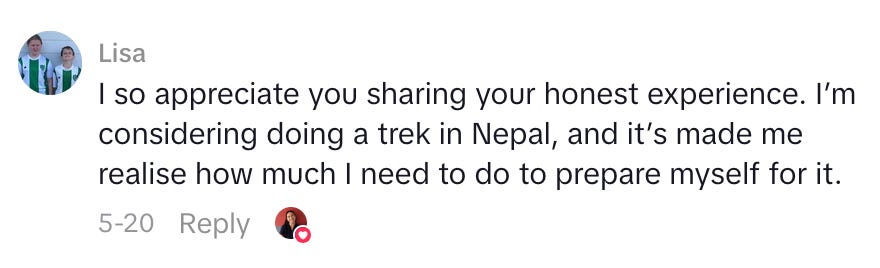
It’s the same magic found in another creator who decided to hike the Inca Trail. Instead of faking a tough, accomplished smile in her videos, she broke down and admitted how exhausting and dangerous it actually was.
Viewers don’t want the perfection of a highlight reel all of the time. They want to put themselves in your reality….whatever it might be.
Theme #3: real-time expertise
If revealing your inner world feels too TMI, you can try attaching your expertise to real-time events.
 Tiktok failed to load.
Enable 3rd party cookies or use another browser
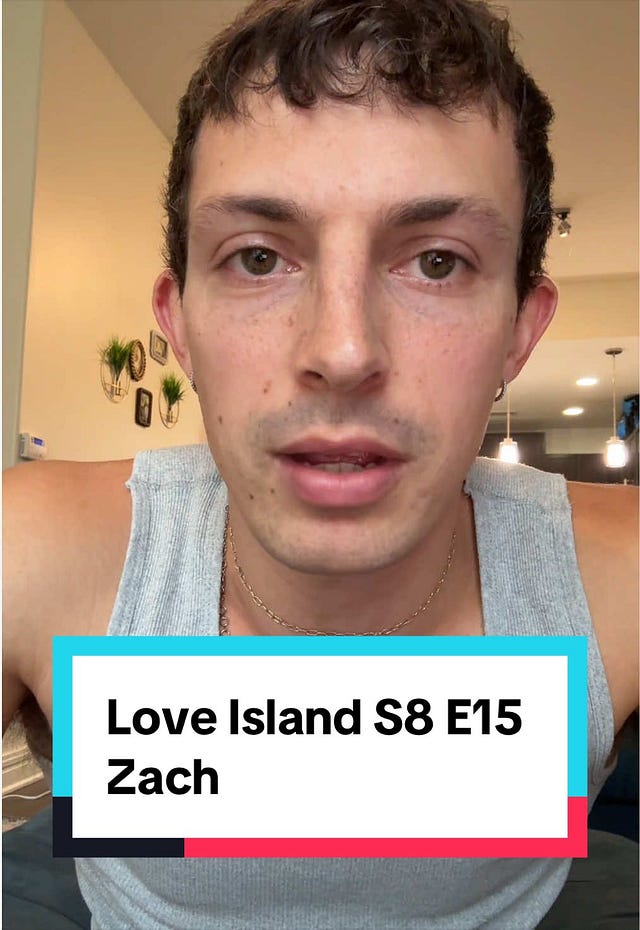
This is Austin Calo, a therapist who provides his expert psychological takes on the current season of Love Island.
(BTW if you're not familiar: Love Island airs almost every night in June and July. It’s not pre-recorded, but viewers watch on a two to three day delay, which gives editors time to trim footage and craft that night's episode. The producers control what happens, and then extend the illusion of control to the audience)
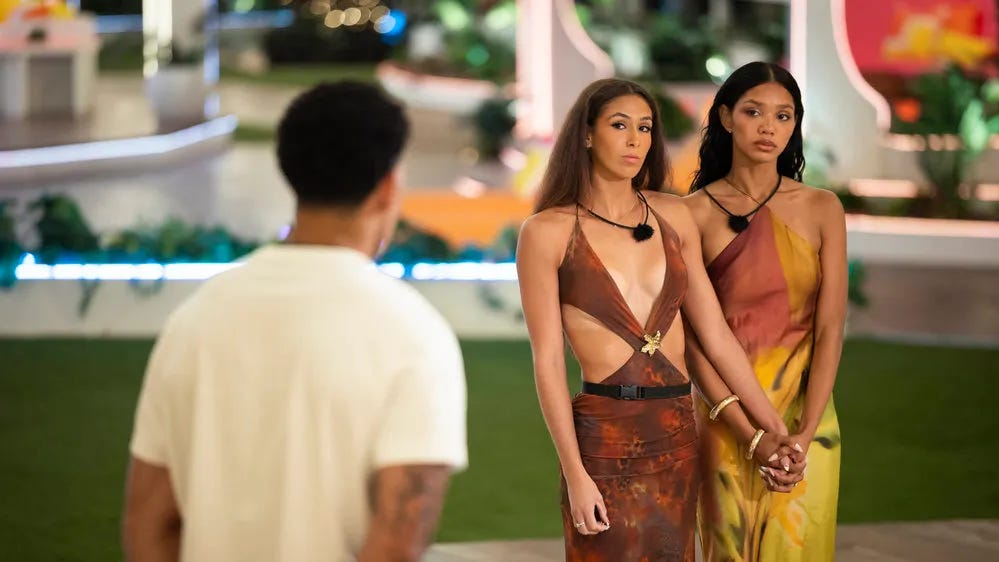
Because the show has a predictable schedule, Austin times his videos to drop the morning after each episode.
And while most of the Love Island social videos are viewers recapping what happened or screaming their latest hot take, Austin takes a step back to highlight how cast upbringings and past experiences might shape their behavior on the show.
THIS is what makes it unexpected.
By humanizing the cast in an objective, fascinating way unlike the troves of other videos, he pulls in new audiences and gets recognized for providing viewers with a much needed perspective shift.
Where brands will struggle
So in each of these examples, there’s a harsh reality for marketers and brands: to earn the “my show is on” badge, you have to do the one thing your legal and PR teams hate the most.
You have to let go of the outcome.
Brands LOVE to control the container - lighting, scripts, curated cast members, locations, etc.
But in this new era of media, getting rid of the micromanaging could earn a brand a coveted roster spot.
After all, you can optimize for YouTube thumbnails all day, but on short form platforms, a thumbnail can’t salvage a horribly boring story.
Viral payoff will soon be synonymous with letting go of the reigns and embracing the reality of lesser expected endings.
And most brands and creators I know right now probably aren’t willing to let go of their control just yet. The ones who are, and the ones who can pull this off successfully, will be handsomely rewarded.
tldr - the ultimate equation for “my show is on”:
Consistent container (visuals, schedule, hook) + unpredictable outcome each time = “My show is on”
It's a tragedy that Belzona is not mentioned here.
An excellent breakdown of the formula, thank you! @until.found0 on Instagram does a more minimal take on this format and it's really lovely. Every "day XXX of searching for a real diamond" video I watch all the way to the end